

Short answer: a roadworthy tells you a car met the minimum safety standard on the day. A pre-purchase inspection tells you what condition it is in. If you are selling, you need the first. If you are buying, you want the second, and often both.
What a roadworthy is for
Victoria's roadworthiness standard is Vehicle Standards Information 26, published by the Department of Transport and Planning in March 2023. It says when a certificate is needed.
In Victoria, a Certificate of Roadworthiness is generally required when a vehicle is sold or re-registered, or as part of a mandatory periodic inspection requirement for a bus or taxi.
And who can issue one.
A Certificate of Roadworthiness can only be issued by a Licensed Vehicle Tester operating from an approved facility such as a garage or service station.
It also explains why the test exists. The standard says roadworthiness testing is there to help minimise the hazard to road users, including buyers of used vehicles where the vehicle may be in a potentially harmful condition, often without the owner being aware of it.
What a roadworthy is not
This is the part that matters when you are the buyer. The standard is direct about its own limits.
A roadworthiness inspection is not a check of the mechanical reliability or general condition of the vehicle. If a comprehensive check of the overall condition of the vehicle is required, you should arrange for a separate independent report.
It makes the same point a second way.
A certificate of roadworthiness is not an inspection of the mechanical quality, reliability or cosmetic aspects of the vehicle.
A certificate also has a short life.
A certificate of roadworthiness is current, for the purposes of a transaction, for 30 days from the date of issue.
So a seller's certificate tells you the car passed a safety inspection within the last month. It does not tell you how much life is left in the things that passed. Brake pads, for example, pass until they reach a defined wear limit, and suspension parts pass while they are within the manufacturer's limits.
What a pre-purchase inspection adds
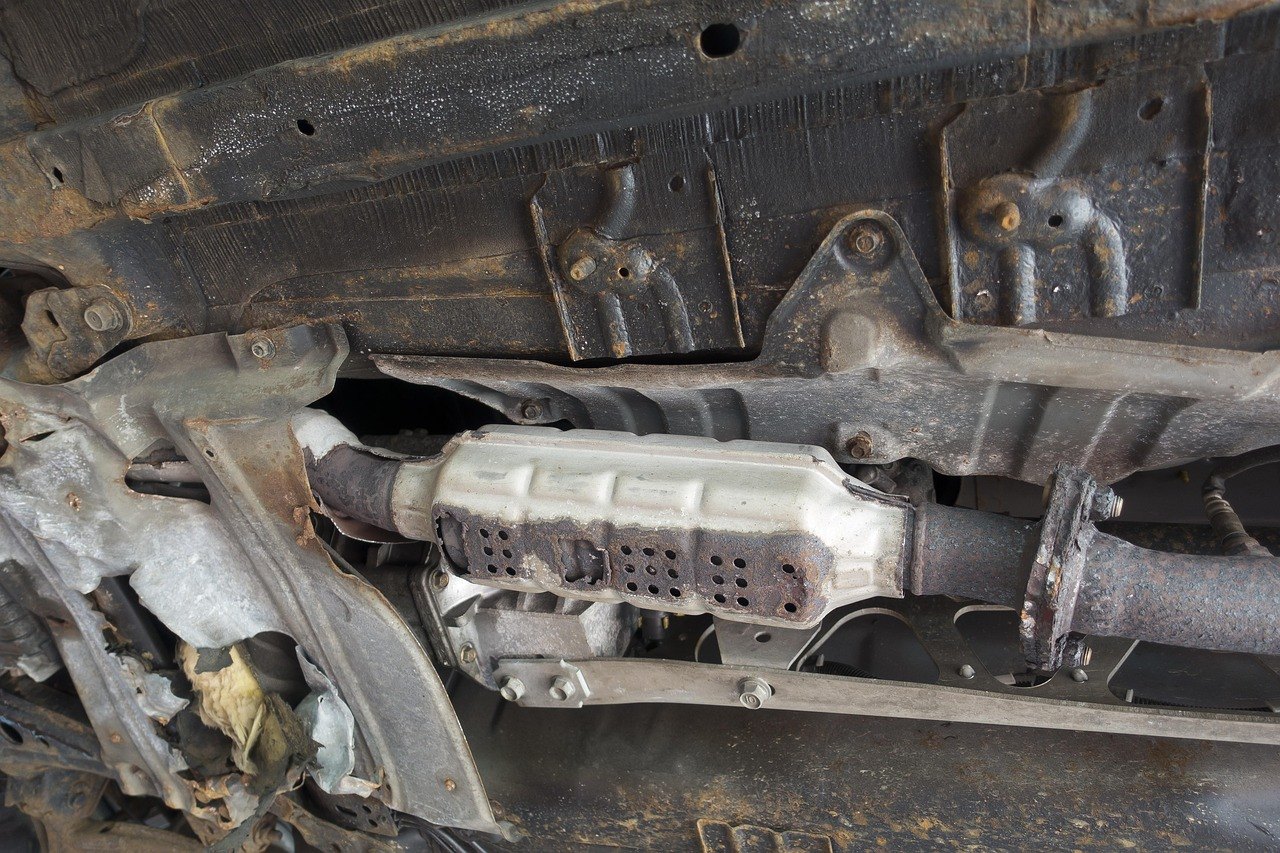
The separate independent report the standard refers to is a pre-purchase inspection. Ours is done on a hoist and covers:
- The engine and driveline, including leaks, noises, and how it behaves cold and warm
- Brakes, with pad and disc thickness measured
- Steering, suspension and bushes
- Tyres: tread, age, and uneven wear that points at alignment or a suspension fault
- Cooling system, belts, hoses and the battery
- Fault codes read from the vehicle computers, including stored and pending faults
- Body and structure, looking for previous repairs, mismatched panels and rust
- Service history, and what the logbook says has and has not been done
Then we tell you what we found, what needs doing now and what can wait.
Which one you need
If you are selling or re-registering a car, you need the certificate. The standard requires it.
If you are buying, the seller's certificate covers safety on the day of the test. A pre-purchase inspection covers condition. The two are often booked together, and because BM Garage is a licensed vehicle tester, both can be done here.
A note on the cost of a roadworthy
The standard itself says not to expect one price.
The cost of obtaining a Certificate of Roadworthiness will depend on a variety of items such as the age, type and condition of the vehicle being examined. Accordingly, the fee can vary significantly, and it is wise to seek a quote for the cost of the inspection before you authorise the inspection to take place.
That is how we work. Every car is different, so we quote on the car rather than from a list. Send us the year, model and rego along with what it needs, and we will put a tailored quote together. There is more on our roadworthy certificate page.
Sources
- Vehicle Standards Information 26: Roadworthiness requirements, State of Victoria, Department of Transport and Planning, March 2023. Part 1, Introduction, and Part 2, Certificate of Roadworthiness.
Every quotation above is taken word for word from that document. It applies to vehicles with a gross vehicle mass of 4.5 tonnes or less.
Common questions
Is a roadworthy certificate the same as a pre-purchase inspection?
No. Victoria's roadworthiness standard, VSI 26, states that a roadworthiness inspection is not a check of the mechanical reliability or general condition of the vehicle, and that if a comprehensive check of the overall condition is required you should arrange for a separate independent report. A pre-purchase inspection is that separate report.
How long is a roadworthy certificate valid in Victoria?
VSI 26 says a certificate of roadworthiness is current, for the purposes of a transaction, for 30 days from the date of issue.
When do I need a roadworthy certificate in Victoria?
VSI 26 says a Certificate of Roadworthiness is generally required when a vehicle is sold or re-registered. It is also required after a Vehicle Identity Validation inspection on a repairable write-off, and in some cases to clear a Vehicle Defect Notice.
Who can issue a roadworthy certificate in Victoria?
VSI 26 says a Certificate of Roadworthiness can only be issued by a Licensed Vehicle Tester operating from an approved facility such as a garage or service station. BM Garage is a licensed vehicle tester.